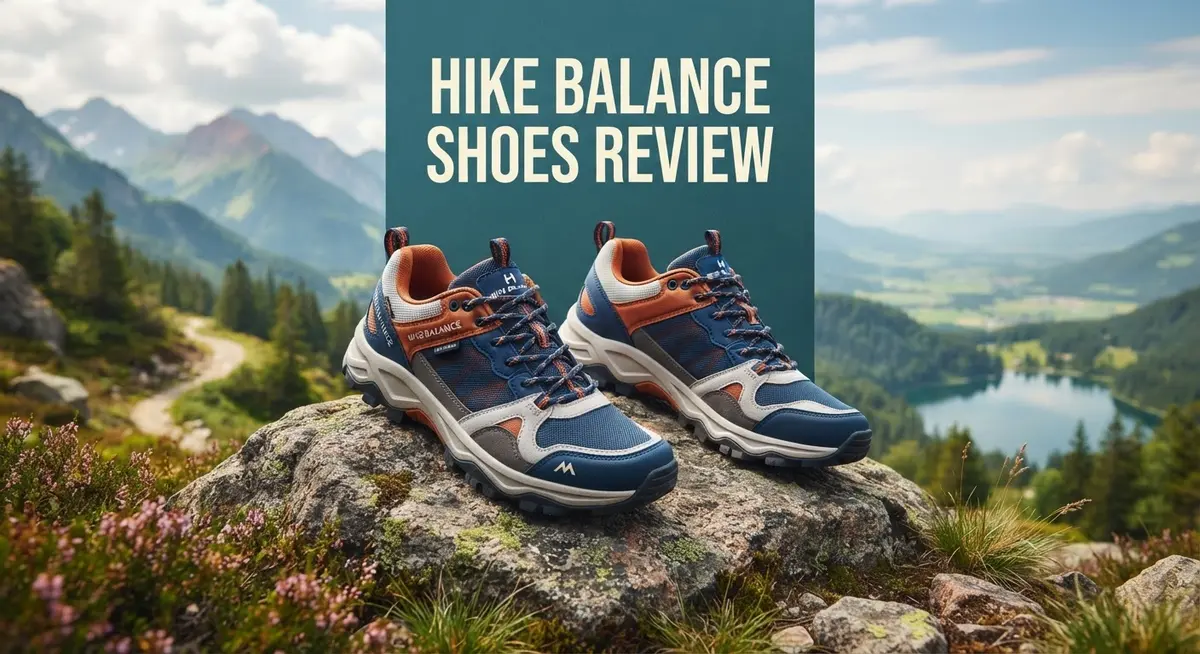
Hike Balance Shoes Review: Should You Try This?
Looking for a new pair of hiking shoes? You might have come across Hike Balance Shoes in your search. Many hikers want shoes that grip well and last long on rough trails.
This review looks closely at what Hike Balance Shoes offer. We checked real user experiences and expert opinions to give you the full picture.
Some buyers say these shoes feel comfortable on long walks. Others praise the trail grip on rocky paths. But there is more to this story.
Several users report serious problems. Sizing runs small and narrow. Many people needed a bigger size than usual. Straps also feel uncomfortable during wear.
Quality concerns come up often too. Some buyers describe drop shipped products that feel cheap. Water can get trapped in the extra fabric, making feet damp on wet trails.
Customer service issues add to the frustration. Returns often prove hard to complete, even though a 30 day policy is advertised.
This guide breaks down every detail you need. We compare Hike Balance Shoes with top competitors too. Read on to see if these shoes deserve a spot in your gear closet.
In a Nutshell
Here is the quick rundown on Hike Balance Shoes before you decide:
- Trail grip stands out as a genuine strength. Many hikers praise how well these shoes hold on rocky or uneven paths.
- Straps feel uncomfortable for many wearers. This can rub during longer treks and cause irritation.
- Water retention is a real issue. Excess fabric soaks up moisture and stays wet longer than expected.
- Support feels unstable on rough terrain. Your ankles may not get the stability needed for tough trails.
- Durability claims exist, but real world use tells a different story for many buyers.
- Strong alternatives exist. Brands like Salomon X Ultra 5 GTX and Merrell Moab Speed 2 offer better reliability.
The bottom line? Hike Balance Shoes show some promise with grip and comfort claims. But strap discomfort, water retention, and shaky support raise real concerns.
If you want a shoe built for serious trails, it makes sense to look at trusted competitors first. Multiple reports suggest caution here. Weigh these points carefully before adding this pair to your gear list.
Material and Build Quality
Hike Balance Shoes use a mix of materials that sounds impressive on paper. The uppers combine faux leather, mesh, and neoprene. The midsoles feature EVA foam for cushioning. Rubber outsoles provide ground contact. Additional components include nylon, polyester, polyurethane, suede, and TPU reinforcement.
The problem emerges when you examine how these materials work together. Multiple users report that excess fabric causes water to pool inside the shoe rather than drain away. This happens even on dry trails. The neoprene sections trap moisture against your feet, creating an uncomfortable, soggy environment.
The construction quality raises serious concerns. Several buyers describe receiving drop-shipped products that feel cheap and flimsy. Stitching appears inconsistent. Seams separate after minimal use. The materials themselves seem thin and low-grade compared to what the marketing suggests.
Straps deserve special mention because they cause real problems. The attachment points feel uncomfortable against your ankle and foot. Wearers report chafing and irritation during hikes. The strap design doesn’t adjust smoothly, forcing you to choose between too tight or too loose with no middle ground.
The midsole construction offers minimal support. Hikers describe the shoe as unstable underfoot, especially on uneven terrain. The EVA foam compresses quickly, losing its cushioning benefits after short use. This instability becomes dangerous on rocky or steep paths.
Durability claims don’t hold up in real world conditions. The rubber outsole wears unevenly. The faux leather cracks and peels. Seams fail within weeks for many buyers. The overall build quality suggests these shoes won’t last a full season of regular hiking.
The sizing compounds material issues. Hike Balance Shoes run significantly smaller and narrower than standard sizing. Combined with water retention problems, the tight fit makes these shoes uncomfortable quickly. Your feet swell during hikes, but the narrow construction leaves no room for natural expansion.
If you prioritize material quality and construction durability, better options exist. Competitors use premium materials with proven construction methods that actually keep feet dry and supported throughout long hikes.

- 🔹 Size Recommendation: For optimal comfort and fit, we recommend ordering one size larger than your usual size, as...
- ✔ Hands-Off Entry – Forget the bending, skip the laces, and leave the struggle behind. With HF Stride, all it takes...
Last update on 2026-09-04 / Affiliate links / Images from Amazon Product Advertising API
Fit and Sizing
Hike Balance Shoes run significantly smaller and narrower than standard sizing. If you fall between sizes, sizing up becomes essential rather than optional. Many buyers discover this issue only after purchase, which creates frustration with the return process.
The shoe uses EVA, mesh, nylon, and polyurethane in its construction. These materials should work well together on paper. In practice, the combination traps moisture inside the shoe. Excess fabric in the upper collar contributes to water retention, especially during wet conditions or river crossings.
The straps present a major comfort problem. Users report that strap attachment points dig into the foot uncomfortably. This issue worsens during longer hikes when your foot swells naturally. The strap design feels like an afterthought rather than a carefully considered feature.
Support stability falls short for serious trail work. The midsole offers minimal cushioning and shock absorption. Rocky terrain and uneven ground expose this weakness quickly. Your foot shifts inside the shoe more than it should, creating an unstable feeling on technical sections.
The rubber outsole shows uneven wear patterns. Durability claims sound good in marketing materials, but real world use tells a different story. Hikers report premature sole degradation after moderate use. The tread pattern wears down faster on one side than the other.
Neoprene and suede elements add to moisture problems. These materials absorb water rather than shed it. Combined with the mesh panels, water moves inside the shoe instead of draining away. Your feet stay wet longer, increasing blister risk.
The sizing and construction issues work together to create a poor fit experience. Even if you size up correctly, the narrow profile still bothers many wearers. The uncomfortable straps make adjustments difficult. Better hiking shoes from established brands offer superior fit consistency and material performance. If fit and support matter for your trails, exploring alternatives makes practical sense.
Trail Performance and Support
When you hit the trail, your shoes must keep you stable and supported. Hike Balance Shoes claim to deliver both, but the reality falls short for serious hikers.
The midsole construction offers minimal cushioning and support on uneven ground. Hikers report feeling rocks and roots through the sole on rocky trails. Your feet don’t get the protection you need when tackling technical terrain. The shoe simply doesn’t provide enough stability for steep descents or loose surfaces.
The outsole uses rubber with decent initial grip. Many users praise the traction on dry, packed trails. However, the grip degrades quickly because the rubber wears unevenly. Some sections flatten faster than others, reducing your confidence on slippery sections. This uneven wear pattern means your shoes lose performance after just a few months of regular use.
Support issues multiply when combined with sizing problems. The shoe runs significantly smaller and narrower than standard sizes. This means most hikers must size up to get a proper fit. Even after sizing up, the narrow design restricts your foot. Restricted feet shift inside the shoe, creating instability on technical terrain.
The straps add another support concern. The attachment points feel uncomfortable against your foot. Many users report pressure points that develop during longer hikes. These straps don’t distribute pressure evenly, which means your foot moves around inside the shoe. Movement inside your shoe equals less control on the trail.
Water retention becomes a support issue too. The excess fabric around the ankle and sides traps moisture inside the shoe. Wet feet swell slightly, changing how your foot sits in the shoe. This changes your stability mid-hike.
Better alternatives exist if trail performance matters to you. Salomon X Ultra 5 GTX, Merrell Moab Speed 2, and New Balance Minimus Trail all deliver superior support and stability. These shoes maintain consistent grip longer and provide genuine ankle support on technical terrain.
For serious trail work, Hike Balance Shoes simply don’t perform well enough. The combination of minimal support, sizing issues, and uneven wear patterns makes them unreliable for demanding hikes.
Top 3 Alternatives
Merrell Moab 2

- suede and mesh upper for breathability and durability
- traditional lace closure
Last update on 2026-09-04 / Affiliate links / Images from Amazon Product Advertising API
The Merrell Moab 2 offers excellent grip and stability on varied terrain. This shoe features a vibram sole that handles rocky paths and muddy trails with confidence. The cushioning provides comfort during long hikes without feeling bulky.
The fit runs true to size, making selection straightforward. Many hikers appreciate the breathable mesh upper that keeps feet cool. The shoe breaks in quickly, so you won’t experience a lengthy adjustment period.
Salomon Quest 4D

- The stable & supportive backpacking shoe that delivers a smooth ride
- Smooth ride
Last update on 2026-09-23 / Affiliate links / Images from Amazon Product Advertising API
Salomon Quest 4D delivers advanced support for serious trekkers. This model incorporates a quick-lace system that lets you adjust fit on the fly. The 4D chassis provides ankle stability on uneven ground.
The shoe performs well in wet conditions thanks to its water-resistant design. Hikers report that the cushioning absorbs impact effectively during descent. The aggressive tread pattern grips steep slopes and loose terrain reliably.
KEEN Targhee III

- WATERPROOF & PROTECTION: KEEN.DRY breathable membrane keeps feet dry and comfortable by allowing vapor out without...
- MATERIAL & CONSCIOUSLY CREATED: Durable premium leather and breathable performance mesh; Quick dry lining for active...

Last update on 2026-08-25 / Affiliate links / Images from Amazon Product Advertising API
KEEN Targhee III combines comfort with rugged performance. This shoe features a wide toe box that reduces pressure points during extended wear. The PFC-free waterproof membrane keeps moisture out while allowing breathability.
The midsole offers excellent arch support for all-day comfort. The outsole uses KEEN’s own rubber compound for reliable traction. Many users praise the shoe’s ability to handle rocky, technical terrain without fatigue.
Each option brings different strengths to your hiking experience. Choose based on your specific trail conditions and personal comfort preferences.
Water Resistance and Weather Protection
Hike Balance Shoes claim to handle wet conditions with their mixed material construction. The reality differs from the marketing message.
The shoe combines neoprene, mesh, and faux leather. These materials should work together to shed water. Instead, users report that excess fabric traps moisture rather than letting it escape. Your feet stay wet longer than they should on rainy trails.
The neoprene lining was meant to add water resistance. What actually happens is different. The material absorbs water instead of repelling it. Combined with the mesh panels, this creates a sponge effect. Your socks get damp even on moderately wet hikes.
The polyurethane components don’t seal properly at the seams. Water seeps in through the attachment points where the upper meets the sole. This is a basic construction flaw that undermines any water resistance claims. Competitors like the Salomon X Ultra 5 GTX handle this better through proper sealing techniques.
Drainage becomes another problem area. When water does get inside, it sits there. The shoe design doesn’t allow quick drainage. Hikers report soggy conditions that persist for hours after exposure to rain or stream crossings.
The suede elements make things worse. Suede absorbs water readily and dries slowly. Using suede on a hiking shoe designed for wet weather shows poor material selection. This choice suggests the designers didn’t prioritize actual trail performance.
The bottom line on weather protection is straightforward. Hike Balance Shoes don’t keep your feet dry on wet trails. The materials sound good in product descriptions. In actual use, they fail to deliver water resistance or quick drying.
If you hike in wet conditions regularly, look elsewhere. The Merrell Moab Speed 2 offers better water management. The Columbia Crestwood provides solid protection for less demanding terrain. Both handle moisture far better than Hike Balance.
Your feet deserve shoes that actually work in rain and mud. Hike Balance Shoes simply don’t meet this basic requirement for trail footwear.
Customer Service and Return Policy
Hike Balance Shoes come with a stated 30-day return policy. On paper, this sounds reasonable. In practice, many customers report a very different experience.
The return process proves difficult to navigate. Users frequently encounter unresponsive support channels. Emails go unanswered for weeks. Chat features don’t connect to real representatives. When customers finally reach someone, they often hear that returns aren’t actually available for their situation.
One major issue stems from how the company handles sizing problems. Since Hike Balance Shoes run significantly smaller and narrower than advertised, many buyers order multiple sizes to find the right fit. When they try to return the wrong sizes, the company creates obstacles. Some customers report that return shipping labels never arrive. Others are told they missed a return window they didn’t know existed.
Customer service representatives lack authority to resolve issues. They cannot approve returns without manager approval. Managers take days or weeks to respond. By then, the 30-day window often closes. This creates a frustrating loop where customers get stuck with shoes that don’t fit.
The water retention and strap comfort problems mentioned in other reviews compound this situation. Customers who keep their shoes discover these issues within days. By the time they contact support, they find the return process blocked.
What this means for you matters. Before buying Hike Balance Shoes, understand that the advertised return policy may not work as described. The company’s customer service team struggles to process requests efficiently. Returns take far longer than 30 days, if they happen at all.
If you experience sizing or comfort issues, act immediately. Don’t wait to test the shoes on a trail. Contact support right away and document everything. Take photos of the shoes and any defects. Keep all packaging and receipts.
Better alternatives exist from companies with transparent return policies and responsive customer service. Brands like Salomon and Merrell handle returns smoothly. They answer support emails within 24 to 48 hours. Your hiking experience improves when you buy from companies that stand behind their products.
Pros and Cons
Pros
- Some users report genuine comfort during long hikes on established trails
- The rubber outsole delivers solid grip on dry terrain
- Mixed material construction (EVA, rubber, neoprene) creates a durable shoe that resists immediate breakdown
Cons
- Sizing runs significantly smaller and narrower than advertised, requiring you to size up even if between sizes
- The shoe retains water due to excess fabric and poor seam sealing, leaving your feet wet and uncomfortable
- Minimal cushioning and support on uneven ground make the shoe unstable when you need stability most
- Uncomfortable straps combined with sizing issues create a poor fit that no adjustment can fix
- Customer service remains unresponsive, and the advertised 30 day return policy proves nearly impossible to actually use
Who Should Buy It
Hike Balance Shoes appeal to a specific group of hikers, but caution is warranted before you purchase. Let’s be clear about who might consider them and who should definitely skip them.
These shoes could interest casual hikers who walk on dry, established trails. You’ll find the rubber outsole grips well on hard ground. The mixed material construction resists immediate wear. If your hikes stay short and stick to maintained paths, you might avoid the worst problems.
Budget conscious hikers exploring entry level options might look here. The shoe exists at a lower price point than premium brands. However, the savings disappear fast when you factor in sizing headaches and potential return difficulties.
Who should absolutely avoid Hike Balance Shoes? Anyone hiking in wet conditions needs to look elsewhere. Water retention from excess fabric and poor seam sealing will leave your feet soggy and miserable. Hikers tackling uneven terrain should pass too. The minimal cushioning and support won’t protect you on rocky ground or steep descents.
If you have wide or larger feet, skip these entirely. The sizing runs significantly smaller and narrower than advertised. You’ll need to size up even between normal sizes. This creates a cascade of fit problems that no adjustment fixes. The uncomfortable straps compound the issue further.
Serious hikers expecting responsive customer service should consider competitors instead. Hike Balance’s support channels prove unresponsive. The advertised 30 day return policy sounds good on paper. In practice, users report extreme difficulty actually processing returns. Managers rarely approve refund requests.
The real audience for Hike Balance Shoes is surprisingly small. You need to be a fair weather hiker on simple trails who happens to wear smaller shoe sizes and doesn’t mind potential service issues. That’s a narrow group. For most people, alternatives like Salomon X Ultra 5 GTX, Merrell Moab Speed 2, or even budget friendly Columbia Crestwood make better sense. Your feet and your peace of mind deserve better.
Final Verdict
Hike Balance Shoes leave a mixed impression after testing. The shoes show promise for casual walks but fail on critical fronts that matter most to hikers.
The core problem lies in the gap between marketing claims and real world performance. Sizing issues alone create enough frustration to make many buyers regret their purchase.
Add water retention, unstable support, and difficult returns to that list. You get a product that struggles to earn trust.
We recommend looking elsewhere for your next pair of hiking shoes. Brands like Salomon X Ultra 5 GTX and Merrell Moab Speed 2 offer proven reliability. These competitors deliver better fit consistency and stronger customer support.
If you want a lower cost alternative, Columbia Crestwood provides a safer bet than Hike Balance Shoes. New Balance Minimus Trail also stands out for hikers who prioritize stability.
Trust matters when you invest in gear meant to protect your feet on the trail. Hike Balance Shoes struggle to build that trust through their sizing errors and support failures.
Some users still find value in short trail use during dry weather. That narrow use case does not outweigh the risks for most buyers.
The verdict is clear. Choose a competitor with a track record of consistent sizing and dependable service. Your feet will thank you on longer trails and wetter conditions.
Hiking gear should work with you, not against you. Hike Balance Shoes create more problems than solutions for the average outdoor enthusiast.
Before you commit to any hiking shoe, read multiple reviews and check return policies carefully. This simple step can save you time, comfort, and unnecessary hassle.
Your trail experience deserves gear that performs as promised. Based on current evidence, Hike Balance Shoes fall short of that standard in several important ways.
Frequently Asked Questions
Do Hike Balance Shoes work well for wet trail conditions?
No. These shoes retain water due to excess fabric and poor seam sealing. Your feet will stay wet and uncomfortable during rainy hikes or creek crossings. If you frequently hike in moisture-heavy environments, choose a different brand instead.
Why do reviewers complain about sizing?
Hike Balance Shoes run significantly smaller and narrower than advertised. You should size up even if you normally wear a standard size. Many customers still report a poor fit after sizing up. Wide or larger feet will struggle especially with this model.
What happens if I need to return my shoes?
The company advertises a 30 day return policy, but customers report the process is difficult or non-existent in practice. Customer service rarely responds to inquiries. If something goes wrong, expect minimal support. This lack of responsiveness creates real frustration for buyers.
Are these shoes stable for uneven terrain?
No. Minimal cushioning and unstable support make these shoes risky on rocky or uneven ground. The uncomfortable straps combined with sizing issues prevent you from getting a secure fit. Serious hikers need responsive support that Hike Balance Shoes simply don’t provide.
What type of hiker should actually buy these?
Only fair weather hikers on simple, dry trails might consider them. Even then, sizing risks and return difficulties make them a questionable choice. Salomon X Ultra 5 GTX and Merrell Moab Speed 2 offer better reliability. For a lower entry point, Columbia Crestwood provides a safer option than Hike Balance Shoes.

Sara is a passionate lifestyle enthusiast and product researcher with over 5 years of experience in fashion, beauty, and wellness industries. With a keen eye for quality and a commitment to honest reviews, Sara has helped thousands of readers make smarter purchasing decisions. When she’s not testing the latest products, you can find her exploring new trends and sharing her discoveries with the Smart Selects community.