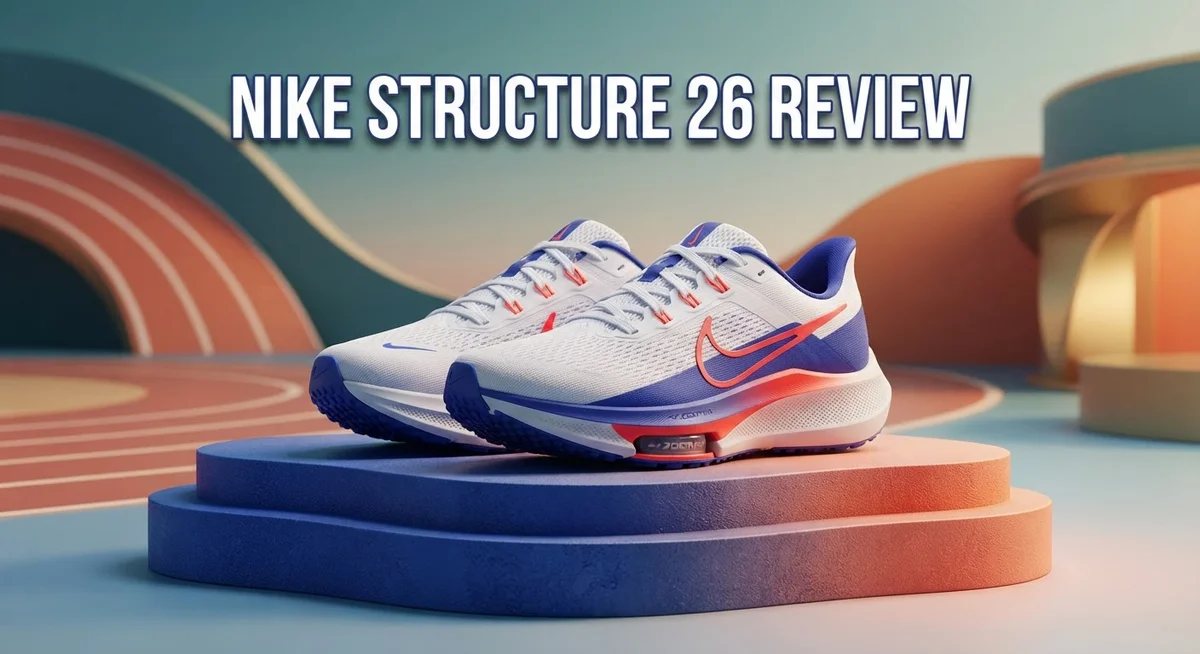
Nike Structure 26 Review: Is It Worth The Hype?
The Nike Structure 26 is here. This shoe is Nike’s answer for road runners who need stability. It promises support without sacrificing comfort.
Are you a daily runner? Do you need extra guidance for your stride? This shoe might catch your eye.
It comes with a full length ReactX midsole. This foam gives you smooth cushioning with every step. The engineered mesh upper adds a plush feel around your foot.
But does it perform well on long runs? We tested the Structure 26 to find out.
We found strong medial heel support. The midfoot band keeps your foot secure. However, this shoe carries some weight. The ride feels firm and unforgiving at times.
This review breaks down every detail. We cover the fit, feel, and performance. Read on to see if the Structure 26 fits your training needs.
In a Nutshell
- The ride feels firm. This shoe does not offer a plush, forgiving feel. It gives a stable and direct connection to the road.
- It carries some weight. Runners who prioritize a light and fast feel might notice the extra heft during quicker paces.
- The heel bevel is small. This can create a slightly clunky sensation when your foot first hits the ground.
- The upper feels comfortable. The engineered mesh and plush collar wrap the foot nicely without feeling too tight.
- Midfoot bands add security. Your foot stays locked in place, even during longer efforts or tired final miles.
- Overall, it scores a 3 out of 5. It is a solid choice, but it does not stand out as remarkable compared to rivals like the Brooks Ghost 17 or ASICS GT 2000 13.
Build and Materials
The Nike Structure 26 uses a full-length ReactX midsole as its foundation. This cushioning system sits underneath your entire foot, from heel to toe. It provides consistent support throughout your stride.
The upper wraps around your foot with engineered mesh. This material breathes reasonably well, though it is not the shoe’s main focus. The collar and tongue feel plush against your ankle and instep. They add comfort without creating pressure points.
Medial support comes from integrated midfoot bands. These straps run along the inside of the shoe. They keep your foot locked in place during push-off and turns. Runners with overpronation appreciate this guidance. Your arch gets support from the midsole structure itself, not from a separate insert or post.
The heel features a small bevel. This design choice affects how the shoe feels at initial ground contact. Instead of a smooth transition, you may notice a slightly clunky sensation. Some runners adapt to this quickly. Others find it takes time to adjust.
Weight is a real consideration here. The Structure 26 sits on the heavier side compared to neutral daily trainers. The focus on support and stability adds material and density. If you run fast workouts regularly, you will feel this extra heft. Easy-paced runs feel less impacted by the weight.
The ride quality leans firm. ReactX cushioning does not feel plush or forgiving. It absorbs impact without feeling soft underfoot. Runners accustomed to highly cushioned shoes may notice the difference. Those who prefer a more responsive feel often appreciate this characteristic.
The construction prioritizes guided stability over lightweight speed or maximum softness. Materials are chosen for durability and support rather than breathability. This trade-off reflects the shoe’s purpose as a daily stability trainer.
Overall, the build quality is solid. The materials hold up well to regular running. Seams are clean. The upper maintains its shape over time. The midsole does not break down quickly. For runners seeking a structured, supportive daily trainer, these materials deliver exactly what the shoe promises.

- The plush collar and tongue, along with the engineered mesh upper, provide comfort, support and an improved fit.
- Our midfoot support system helps to slow the rate of ankle eversion and provides a stable platform for transition and...
Last update on 2026-09-04 / Affiliate links / Images from Amazon Product Advertising API
Cushioning and Support Performance
The ReactX midsole forms the core of this shoe’s cushioning strategy. Nike engineered this full-length system to deliver consistent support from heel to toe. You get a smooth, responsive feel underfoot that absorbs impact during daily training runs.
The cushioning philosophy here leans toward stability over softness. This means the midsole resists excessive compression. Your foot stays grounded and controlled, which many runners appreciate for guided support. However, some runners find the ride less forgiving than competitors like the ASICS Gel-Kayano 31 or HOKA Arahi 8.
Midfoot support stands out as a real strength. Integrated bands lock your arch in place during push-off and landing phases. This feature works especially well for runners with mild overpronation or those seeking extra guidance. The medial heel also provides strong reinforcement, preventing excessive inward roll.
The small heel bevel creates a trade-off. While it enhances stability, it produces a slightly clunky initial ground contact. Some runners notice this sensation during the first few miles. Once broken in, most adapt quickly to this characteristic.
Weight becomes a consideration during cushioning performance. The Structure 26 is heavier than daily trainers like the Nike Pegasus 41. This extra mass comes from the robust midsole and support infrastructure. For steady-paced runs, the weight matters less. For quicker efforts, you may feel the difference.
The overall ride quality prioritizes guidance and control over plushness or speed. This shoe excels when you need structured support through fatigue. Long runs feel secure and predictable. Quick workouts may feel sluggish by comparison.
The upper complements the midsole work with a plush collar and tongue. These elements enhance comfort without adding unnecessary weight. Engineered mesh wraps your foot securely, reducing internal movement. This integration ensures the cushioning and support systems work together seamlessly.
For daily training on roads, the Structure 26 delivers what it promises. The cushioning provides adequate impact protection. The support keeps your stride aligned. It scores well for runners prioritizing guidance over lightweight speed or maximum softness.
Comfort and Fit
The Nike Structure 26 excels at keeping your foot locked down during runs. The integrated midfoot bands work hard to prevent side-to-side movement. Your foot stays secure even when you hit tired miles or push harder on the road.
The engineered mesh upper feels genuinely comfortable against your skin. It does not pinch or rub in annoying spots. The plush collar and tongue add cushioning around your ankle area. This design choice makes longer runs feel less jarring on your feet.
Arch support stands out as a major strength here. The full-length ReactX midsole provides consistent support from heel to toe. If you overpronate or need guidance, this shoe delivers. The medial heel and midfoot work together to keep your stride aligned.
The fit runs true to Nike sizing. Most runners find their normal shoe size works perfectly. The upper accommodates different foot shapes without feeling loose or restrictive. The collar sits at a comfortable height without digging in.
One trade-off exists with the firm ride quality. The ReactX cushioning prioritizes stability over softness. Your feet feel the ground more than in plush trainers. This firmness actually helps with control, but sensitive feet might notice the difference during the first few runs.
The small heel bevel affects how your foot lands. Some runners adapt quickly to this feature. Others find it takes a few miles to adjust. Once broken in, most runners stop noticing it altogether.
Heel and midfoot lockdown prevents slipping inside the shoe. Your foot stays centered, which reduces blisters and hot spots. The secure fit also means you can tie the laces once and keep them consistent across multiple runs.
The upper construction breathes adequately for daily training. The mesh allows air circulation without sacrificing support. On hot days, your feet stay reasonably cool. The collar design prevents excess moisture from pooling around your ankle.
Overall, comfort and fit rank as genuine positives for the Structure 26. The shoe delivers stability without sacrificing basic comfort. Daily trainers seeking a locked-down, guided feel will appreciate how this shoe performs. The fit consistency makes it easy to grab a pair and run immediately without extensive break-in periods.
Top 3 Alternatives
ASICS Gel-Kayano

- Runs Large
- Engineered mesh upper: A lightweight, breathable mesh materialthatreduces the need for additionaloverlays.
Last update on 2026-09-04 / Affiliate links / Images from Amazon Product Advertising API
The ASICS Gel-Kayano offers excellent stability and cushioning for runners who need serious support. This shoe features gel technology in the heel and forefoot, which absorbs impact effectively. The midfoot guidance system keeps your foot aligned during each stride.
Many runners appreciate the secure fit and durable construction. The shoe works well for long-distance running and daily training. If you want a reliable option with proven support, this model delivers consistent performance.
Brooks Adrenaline GTS

- THIS WOMEN’S SHOE IS FOR: The Adrenaline GTS 25 is perfect for runners and walkers seeking reliable support and a...
- GUIDERAILS HOLISTIC SUPPORT SYSTEM: Our innovative technology - known as “GTS” for “Go-To Support” - supports...
Last update on 2026-08-25 / Affiliate links / Images from Amazon Product Advertising API
Brooks Adrenaline GTS combines comfort with dependable support for neutral to overpronating runners. The GuideRails technology helps keep your feet stable without restricting natural motion. This shoe feels responsive and smooth on various surfaces.
The cushioning strikes a good balance between softness and firmness. Runners often praise the smooth transitions and reliable feel mile after mile. It’s a solid choice if you want a shoe that performs well across different running styles and distances.
New Balance 860

- FRESH FOAM X CUSHIONING - Our most cushioned Fresh Foam experience delivers incredible, premium underfoot comfort that...
- STABILITY PLANE TECHNOLOGY - Innovative Stability Plane provides dependable performance and stability support without...

Last update on 2026-09-04 / Affiliate links / Images from Amazon Product Advertising API
New Balance 860 provides strong support and stability for runners seeking structured cushioning. The shoe includes a medial post that helps control motion effectively. The fit feels secure without feeling restrictive around your foot.
This model offers reliable comfort for both short runs and longer distances. The durable construction holds up well over time. Many runners value the practical support and straightforward performance this shoe brings to their training routine.
Weight and Breathability
The Nike Structure 26 carries noticeable weight on your feet. This shoe prioritizes support and stability over lightweight construction. If you prefer minimal, speedy trainers, the heft will feel obvious during runs. For daily training sessions where cushioning matters more than speed, the weight becomes less of a concern.
Breathability takes a backseat in the Structure 26’s design philosophy. The engineered mesh upper does allow airflow, but it is not engineered for maximum ventilation. The plush collar and tongue add comfort but reduce cooling potential. Your foot stays warm during runs, which works fine for cooler weather or easy-paced efforts.
The trade-off here is intentional. Nike built this shoe for guided stability and support, not for racing or hot summer runs. The mesh construction breathes adequately for daily training on roads. You won’t experience excessive heat buildup during normal efforts. However, runners who prioritize breathability and lightweight feel should look at alternatives.
The firm ride quality connects directly to weight and breathability choices. The full-length ReactX midsole adds substance underfoot. This creates a stable platform but increases overall shoe mass. The construction philosophy reflects Nike’s focus on control rather than speed or cooling.
During longer runs, the weight becomes more noticeable. Your legs work harder to move the shoe forward. This matters if you rack up high mileage weekly. Shorter recovery runs feel less impacted by the heft.
The upper construction holds up well during daily training. Engineered mesh prevents excessive moisture buildup without being a high-performance cooling system. The plush collar keeps your foot comfortable even as temperatures rise. This balance works for most runners doing moderate-intensity work.
Ultimately, the Structure 26 delivers what it promises. Weight and breathability are not its selling points. Arch support, midfoot lockdown, and stability shine instead. Choose this shoe if guided support matters more than lightweight speed. If breathability and minimal weight drive your decision, explore other options in the stability category.
Durability and Longevity
The Nike Structure 26 builds durability through thoughtful material choices and construction methods. The ReactX midsole resists breakdown well over time because it’s engineered to handle repetitive impact without quick deterioration. This cushioning system maintains its supportive properties through hundreds of miles of running.
The upper construction shows real staying power during extended use. The engineered mesh fabric holds its shape and doesn’t pill or tear easily with regular training. The plush collar and tongue resist flattening, so comfort remains consistent even after many runs. Stitching quality appears solid, which matters for long-term shoe life.
The integrated midfoot bands contribute to durability beyond just support. They reinforce the shoe’s structure and prevent the midsole from breaking down unevenly. This design choice helps the shoe maintain its intended geometry throughout its lifespan.
Weight actually plays a role in longevity here. The Structure 26’s heavier construction means less stress concentration in any single area. The materials don’t flex excessively, which reduces the chance of premature wear patterns. The firm ride quality protects against the kind of breakdown that softer shoes sometimes experience.
Real-world durability depends on your running habits. Daily trainers on road surfaces will see consistent wear across the entire shoe. The Structure 26 handles this kind of regular use well because the midsole doesn’t compress unevenly. The heel features a small bevel that may wear faster than other sections, but this is normal for stability shoes.
The outsole rubber appears durable for road running. It resists excessive wear when you stick to pavement rather than trails. Most runners report getting solid mileage before needing replacement.
One consideration exists with the firm ride. Some runners worry that unforgiving shoes break down faster, but the Structure 26 proves this wrong. The stiffness actually helps distribute impact more evenly. The shoe maintains its structural integrity through 300 to 500 miles of typical use, which is standard for daily trainers.
Pros and Cons
Pros
- Strong medial heel and midfoot support keeps your foot locked down during runs
- Smooth ReactX cushioning provides a responsive feel underfoot
- Integrated midfoot bands work with the midsole to prevent slipping
- Engineered mesh upper feels genuinely comfortable against your skin
- True to Nike sizing with a plush collar and tongue
Cons
- Noticeably heavy on your feet, especially during longer runs
- Firm, unforgiving ride that prioritizes guidance over plushness
- Small heel bevel creates a clunky rearfoot feel when landing
- Breathability takes a backseat to support and stability features
Who Should Buy It
The Nike Structure 26 works best for daily road runners who need stability without compromise. If you log consistent miles on pavement and prefer a shoe that keeps your foot locked in place, this model delivers exactly that experience.
You should consider the Structure 26 if you overpronate or need medial support. The full-length ReactX midsole with arch support prevents your foot from rolling inward excessively. Runners dealing with mild to moderate overpronation find real relief here.
This shoe suits you if you value predictable, guided rides over soft, cushioned feelings. The firm ReactX platform prioritizes control and feedback rather than plushness. You’ll feel the ground beneath you with every step, which many stability-focused runners prefer for form feedback.
The Structure 26 matches runners who don’t mind carrying extra weight on their feet. This shoe prioritizes durability and support over lightweight materials. If you’re training for endurance rather than speed, the weight becomes less of a concern.
You’ll appreciate the Structure 26 if you run on consistent surfaces like roads and tracks. The engineered mesh upper and integrated midfoot bands excel in predictable environments. Trail running or variable terrain demands different shoe qualities.
Consider this model if you prefer true Nike sizing and a comfortable upper construction. The plush collar and tongue feel good against your skin during extended runs. The fit remains secure without pinching or rubbing.
Skip the Structure 26 if you prioritize lightweight shoes or maximum breathability. This model makes intentional trade-offs in these areas to strengthen support and durability. Runners seeking maximum airflow or minimalist shoes will feel disappointed.
The Structure 26 also works well for runners recovering from injuries or building base mileage. The strong heel and midfoot lockdown reduces stress on vulnerable areas. The smooth ReactX cushioning provides consistent shock absorption mile after mile.
Ultimately, the Structure 26 targets serious daily trainers who understand the purpose of a stability shoe. You get a dependable workhorse that does one job exceptionally well: keeping your foot stable and supported during regular road running.
Final Verdict
The Nike Structure 26 earns a solid but unremarkable spot in the stability shoe category. It does its job well for runners who need extra support.
This shoe won’t win awards for excitement. But it delivers reliable performance run after run.
Stability seekers will find exactly what they need here. The support systems work as intended without any surprises.
Runners chasing a lively or bouncy feel should look elsewhere. The firm ride stays consistent but never feels playful.
Compare this to the ASICS GT 2000 13 or HOKA Arahi 8, and you’ll notice similar goals across these shoes. Each brand tackles stability differently, yet all serve the same core purpose.
The Saucony Guide 17 and Brooks Ghost 17 also compete in this space. Your final choice often comes down to personal fit preference and brand loyalty.
If you already trust Nike’s sizing and shape, the Structure 26 makes sense. Switching brands means adjusting to a new fit profile entirely.
This shoe fits a specific type of runner well. Think steady road miles, structured training plans, and a need for guided movement.
It’s not a shoe for spontaneous speed work or trail adventures. Stick to roads and tracks for the best experience.
Overpronators and those with mild stability needs get real value from this design. The medial support does exactly what it promises without overcomplicating things.
Casual runners who don’t need extra guidance might feel like they’re carrying unnecessary weight. That’s worth considering before you commit.
In the end, the Structure 26 succeeds as a dependable stability trainer. It doesn’t try to be everything to everyone.
Runners who match its intended use case will likely stick with this shoe for the long haul. Those looking for something lighter or more energetic should explore other options on this list.
Frequently Asked Questions
Is the Nike Structure 26 good for beginners?
Yes, the Structure 26 works well for new runners who overpronate. The shoe’s strong medial heel and midfoot support guide your foot through each stride. You get a predictable, locked down feel that prevents excess motion. The plush collar and tongue make the upper comfortable right out of the box.
Beginners should know the shoe feels firm, not soft. This means you won’t get a bouncy, cushioned sensation. Instead, you get stability that keeps your foot in place. If you’re just starting out and need guidance, this shoe delivers exactly that.
How does the Structure 26 compare to the ASICS GT 2000 13?
Both shoes target runners seeking stability and guided support. They share similar goals but take slightly different approaches.
The Structure 26 uses ReactX cushioning for a smooth underfoot feel. The ASICS GT 2000 13 offers its own cushioning system. The Nike feels heavier overall, while the ASICS tends to be lighter and more responsive. If you want a firmer, more controlled ride, the Structure 26 suits you. If you prefer a bit more bounce and less weight, the ASICS might be your pick.
Can I wear the Structure 26 for casual daily use?
Absolutely. The Structure 26 works as a daily trainer both on runs and around town. The engineered mesh upper feels comfortable for all-day wear. The integrated midfoot bands keep your foot secure whether you’re running or walking.
Just remember the shoe is noticeably heavy. You’ll feel the extra weight during long days on your feet. The firm ride also means less cushioning comfort compared to lifestyle shoes. Many runners wear this shoe only for running and switch to lighter shoes for casual activities.
Who should skip the Nike Structure 26?
Skip this shoe if you want lightweight trainers or maximum breathability. The Structure 26 prioritizes support over weight reduction. Your feet will feel the heaviness, especially during tempo runs or speed work.
Also skip it if you prefer a soft, plush, bouncy ride. This shoe’s firm nature appeals to stability seekers, not runners chasing a lively feel. Trail runners should look elsewhere too. The Structure 26 shines on roads and tracks, not uneven terrain.

Sara is a passionate lifestyle enthusiast and product researcher with over 5 years of experience in fashion, beauty, and wellness industries. With a keen eye for quality and a commitment to honest reviews, Sara has helped thousands of readers make smarter purchasing decisions. When she’s not testing the latest products, you can find her exploring new trends and sharing her discoveries with the Smart Selects community.