Nike Alphafly 3 Review 2026: Worth The Price?
The Nike Alphafly 3 shook the running world at launch. It helped Kelvin Kiptum shatter the marathon world record in Chicago. It became the go-to race day shoe for elite and amateur runners alike.
But now, well into 2026, the big question is simple. Does the Alphafly 3 still hold its crown as the best carbon super shoe on the market?
This review covers everything you need to know. You will learn about cushioning, weight, fit, durability, and whether this shoe still delivers the speed it promises.
Key Takeaways
- The Nike Alphafly 3 weighs just 7.1 oz (201g) in a men’s size 10, which is 19% lighter than the Alphafly 2. This makes it one of the lightest super shoes on the market.
- ZoomX foam plus dual Air Zoom units deliver 74.9% energy return in the heel, well above the average running shoe. This shoe pushes you forward with every stride.
- The 8mm heel-to-toe drop works well for both midfoot and forefoot strikers. The shoe performs best at tempo pace and faster. It is not built for slow or easy runs.
- Breathability scores a perfect 5 out of 5 thanks to the Atomknit 3.0 upper. The shoe handles heat well, even during summer marathons.
- Durability is a known weak point. The upper tears easily under stress testing, and outsole wear shows after 200 miles. Plan to retire these shoes after 200 to 250 miles of racing.
- The retail price of $285 remains steep in 2026, though discounted pairs now sell for around $170 to $220 on Amazon. This makes the shoe a better value today than at launch.
Nike Alphafly 3 Overview

- The Alphafly 3 is tuned to the speed of a marathon and helps you push your limits - and overcome them
- Three innovative technologies drive your run: a double dose of Air Zoom units help you take the next step, a full-length...
Last update on 2026-09-04 / Affiliate links / Images from Amazon Product Advertising API
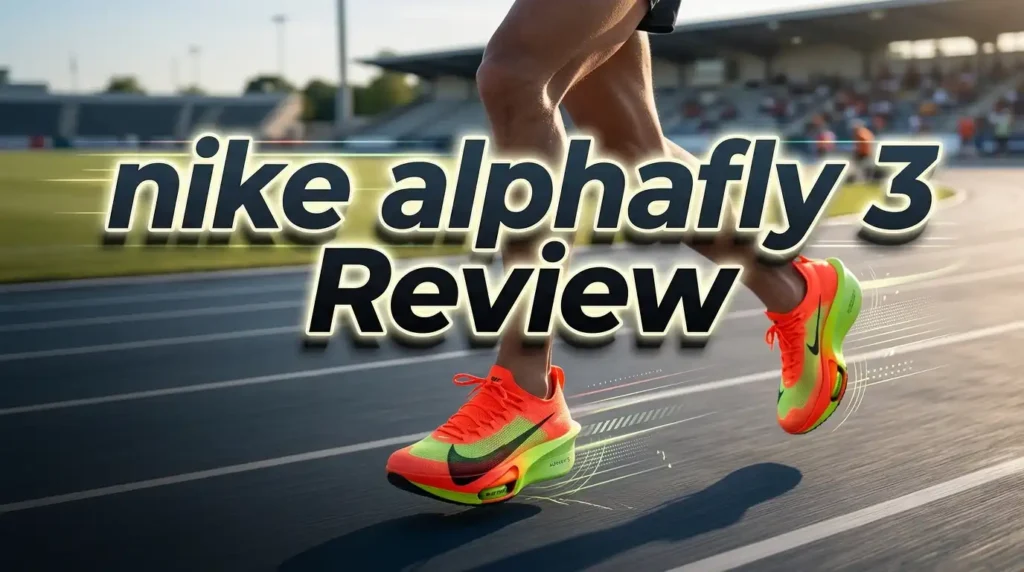
The Nike Alphafly 3 is a carbon plate super shoe built for road racing. Nike released it in late 2023 as the third version of its flagship marathon racer. The shoe uses three core technologies. ZoomX foam fills the full-length midsole. Two Air Zoom units sit in the forefoot. A carbon fiber Flyplate runs through the middle.
This combination creates a fast, responsive, and energy-efficient ride. The shoe weighs 7.1 oz for men and about 6.1 oz for women. It has a heel stack height of about 39.5mm and a forefoot height of about 31.5mm. The retail price is $285.
Nike built this shoe for race day. It is not a daily trainer. You will feel the aggressive ride the moment you pick up the pace. The stiff plate and bouncy foam work together to push you forward. Slow or easy runs feel awkward in this shoe.
ZoomX Foam and Cushioning Performance
The heart of the Alphafly 3 is its ZoomX foam. Nike uses Pebax-based foam from Zotefoams. This material is light, soft, and returns a huge amount of energy with each step. Lab tests show the heel returns 74.9% of energy and the forefoot returns 73.9%. Both figures beat the average running shoe by a wide margin.
The foam feels soft but not mushy. Nike uses a dual-density setup. The lower layer is softer at 34.5 on the durometer scale. The upper layer sits firmer at 47.2. This combination gives you cushion without losing ground contact time.
You will notice the cushioning most during long races. After mile 20 in a marathon, your legs feel fresher because the foam absorbs shock without bottoming out. The heel measures 38.1mm of stack height, which keeps this shoe legal under World Athletics rules.
Air Zoom Units Explained
The Air Zoom pods set the Alphafly apart from every other super shoe. Two pressurized air units sit in the forefoot. They act like tiny trampolines under your foot. Each landing compresses the pods, and they spring back quickly to return energy.
Nike moved the pods slightly rearward in version 3. This change helps midfoot strikers engage the pods earlier in their stride. The pods also protrude slightly from the outsole now. This means they make ground contact faster than in previous versions.
The pods do create a unique feel. Some runners describe it as mechanical or clunky. Nike added a thin layer of ZoomX foam under the pods to soften this sensation. The pods are still noisy on hard surfaces, though. You will hear a distinct clicking sound at each footstrike.
If you land on your midfoot, you get the most benefit from these pods. Heel strikers can still use the shoe. However, they rely more on the ZoomX foam than the Air Zoom units.
Carbon Fiber Flyplate
The carbon fiber Flyplate runs through the full length of the midsole. It sits between the two layers of ZoomX foam. This plate serves two purposes. It adds stiffness to propel you forward. It also prevents your foot from sinking too deep into the soft foam.
Lab testing measured the Alphafly 3 at 28.4 Newtons of stiffness when flexed to 30 degrees. That is nearly double the average running shoe. The plate has a more pronounced incline in the midfoot area compared to the Alphafly 2. This helps maintain push-off power during the final miles of a marathon.
The Flyplate sits closer to the foot than in other designs. This position improves stability and running economy. However, it requires more work from your calf muscles. Runners who experience frequent calf strains should consider the Nike Vaporfly 3 instead. The Vaporfly places its plate deeper in the foam, which reduces calf load.
Top 3 Alternatives for Nike Alphafly 3

- Style#: DV4129-100
- Light padding on the tongue helps reduce lace pressure at the top of your foot.
Last update on 2026-09-04 / Affiliate links / Images from Amazon Product Advertising API

- ENERGYRODS 2.0 limit energy loss
- Imported
Last update on 2026-09-04 / Affiliate links / Images from Amazon Product Advertising API

- FAST & LIGHT
- The most aggressive on-your-toes race day experience.
Last update on 2026-09-04 / Affiliate links / Images from Amazon Product Advertising API
Weight and Build Quality
The Alphafly 3 weighs 7.1 oz (201g) in a men’s size 10. This is a huge improvement over the Alphafly 2, which weighed 8.47 oz (240g). Nike cut weight by removing excess ZoomX foam around the Air Zoom pods. They also carved a large central groove in the midsole.
This groove runs from heel to forefoot. It allows the Air Zoom pods to expand more freely. The result is better energy return and less weight at the same time. The groove also widens the base of the shoe, which improves stability.
The build quality feels premium. The Atomknit 3.0 upper is thin but well-structured. The heel area has generous padding to prevent slippage. The laces feature small notches that keep them locked in place during races. Every part of this shoe serves a clear purpose.
Fit and Sizing Guide
The Nike Alphafly 3 fits slightly small based on hundreds of runner reports. Most reviewers recommend going half a size up from your normal Nike size. The internal length measures 262mm, which is shorter than the average running shoe at 269.4mm.
The toebox is surprisingly roomy for a racing flat. It measures 75.3mm at the big toe area. This gives your toes space to splay during the final kilometers of a race. Nike also lowered the arch in this version. The midfoot feels wider and more comfortable than the Alphafly 1 or 2.
The widest point of the shoe measures 93.3mm. This is generous for a Nike racer, especially paired with the stretchy Atomknit upper. Runners with wider feet should still feel comfortable. However, those with very narrow feet might notice excess space.
Breathability and Upper Design
The Atomknit 3.0 upper earns a perfect 5 out of 5 for breathability. Light passes through the material easily. You can see the outline of your foot through the upper. This level of ventilation keeps your feet cool during hot-weather races.
Nike combined thick yarns with thin, almost transparent yarns. This blend creates an upper that is structured yet extremely light. The upper adds very little weight to the shoe. It also dries quickly if you run through puddles or water stations.
The heel area uses thicker padding for a secure fit. The rest of the upper focuses on saving weight and moving air. The material has a slightly rough texture on the inside. Running without socks might cause irritation. Always wear thin racing socks with this shoe.
Stability and Support
The Alphafly 3 is more stable than both previous versions. Nike achieved this without adding weight. The midsole flare extends through the heel and wraps around it. This creates a wider landing base for heel strikers.
The forefoot midsole measures 117.5mm wide. That is wider than some dedicated stability shoes like the Brooks Adrenaline GTS 23. Nike hollowed out the center of the midsole to add width without adding foam. This is a clever engineering solution that works well.
The heel midsole measures 91.9mm across. This is wider than most super shoes on the market. The Vaporfly 3 measures only 76.6mm in the same spot. The Alphafly 3 gives you a much more stable landing platform, especially during the late stages of a marathon when fatigue causes form breakdown.
Outsole Durability and Traction
Durability is the biggest weakness of the Alphafly 3. The Atomknit upper scored just 1 out of 5 in abrasion testing. A small tool burned through the material quickly. The outsole wears down noticeably after 150 to 200 miles.
Nike uses Fast Shot rubber on the forefoot. This material grips well on dry roads. However, wet traction scored only 0.40 in lab testing, below the 0.50 average. Rain-day racing requires extra caution, especially on painted road lines and metal grates.
Some exposed ZoomX foam in the midfoot area wears faster than the rubber sections. Runners who overpronate or drag their feet slightly will see faster outsole breakdown. Plan to use this shoe only for races and key workouts. Save your daily mileage for a training shoe. Most runners get 200 to 250 miles before the Alphafly 3 needs retirement.
Rocker Geometry and Ride Feel
The Alphafly 3 uses a forefoot rocker design. Nike moved the rocker point forward compared to the Alphafly 2. This change favors midfoot and forefoot strikers. The shoe rolls you forward quickly once your foot passes the midfoot.
The Alphafly 2 had a more pronounced heel rocker. Heel strikers who loved that smooth heel-to-toe transition might miss it. The version 3 design is faster for midfoot landings. It helps you maintain quick turnover during fast racing.
The ride feels aggressive and purposeful. This shoe performs best at tempo pace and faster. Most runners find the minimum comfortable pace to be around moderate effort. Slow jogging in the Alphafly 3 feels unstable and wasteful. Save this shoe for when you want speed.
Who Should Buy the Nike Alphafly 3
This shoe is built for serious racers. If you run marathons, half marathons, or even 10K races and you want every possible advantage, the Alphafly 3 delivers. It works best for midfoot and forefoot strikers who run at tempo pace or faster.
The shoe also suits runners who had issues with the Alphafly 2’s weight. Version 3 fixes that problem completely. Runners who experienced mild arch discomfort in earlier versions will appreciate the redesigned midfoot.
Budget-conscious racers benefit from current pricing. The shoe now sells well below its $285 retail price on most platforms. If you find a pair under $200, the value is excellent for a race-day super shoe.
Who Should Skip This Shoe
The Alphafly 3 is not for everyone. Heel strikers who prefer a pronounced rocker may find the Vaporfly 3 or Saucony Endorphin Elite more natural. Runners who need high outsole durability should look at the Adidas Adizero Adios Pro 3 instead.
If you run most of your miles at easy or conversational pace, this shoe will feel awkward. The stiff plate and aggressive geometry demand speed. Easy-day runners should choose a training shoe like the Nike Invincible 3.
Runners on a tight budget should also think carefully. Even at discounted prices, the Alphafly 3 costs more than many solid alternatives. The short lifespan of 200 to 250 miles means the cost per mile is high.
Nike Alphafly 3 vs Nike Vaporfly 3

- Model Number: FD8315-100
Last update on 2026-09-04 / Affiliate links / Images from Amazon Product Advertising API
These two shoes share the same ZoomX foam and a carbon fiber plate. The main difference is the Air Zoom pods. The Alphafly 3 has them. The Vaporfly 3 does not. This gives the Alphafly more energy return and a distinct bouncy feeling.
The Vaporfly 3 weighs less at 6.7 oz. It also has a spoon-shaped plate that sits deeper in the foam. This creates a livelier, more responsive pop. Many runners prefer the Vaporfly for races under 10K.
The Alphafly 3 offers better stability and cushioning. Its wider midsole and heavier foam load make it the better choice for marathons and half marathons. Choose the Vaporfly for short races. Choose the Alphafly for long-distance speed.
Price and Value in 2026
The Nike Alphafly 3 launched at $285. That price point drew criticism from many runners. In 2026, the shoe regularly sells for $170 to $220 on Amazon and other retailers. Nike has released newer colorways, and older versions see deeper discounts.
At full retail, the value is tough to justify for recreational runners. At current sale prices, the equation changes. You get world-record technology for under $200 in many cases.
Consider the cost per race. If you use the Alphafly 3 for five to eight races before retirement, the cost per race drops to around $25 to $40. That is a reasonable investment for a shoe that can shave seconds or even minutes off your personal best.
Final Verdict
The Nike Alphafly 3 remains one of the best super shoes available in 2026. Its combination of ZoomX foam, Air Zoom units, and a full-length carbon plate delivers outstanding speed and energy return. The shoe is lighter, more stable, and more comfortable than its predecessor.
The weaknesses are real. Durability is poor. Wet traction needs improvement. The price is still high. But for race day performance, few shoes match the Alphafly 3. It earned its reputation on the feet of world-record holders, and it can help you reach your own personal bests too.
If you race regularly and want maximum performance, this shoe deserves a spot in your rotation. Buy it on sale, save it for race day, and enjoy the ride.
Frequently Asked Questions
Is the Nike Alphafly 3 good for beginners?
The Alphafly 3 is a race-day shoe built for speed. Beginners can use it for races. However, the stiff plate and aggressive geometry feel best at tempo pace or faster. New runners may find it uncomfortable for slower training runs. A daily trainer like the Nike Pegasus is a better starting point.
How many miles does the Nike Alphafly 3 last?
Most runners report the Alphafly 3 lasts 200 to 250 miles before noticeable performance loss. The outsole wears down first, especially in exposed foam areas. The upper also shows wear quickly. Use this shoe only for races and speed workouts to extend its life.
Should I size up in the Nike Alphafly 3?
Yes. The Alphafly 3 runs slightly small. Most runners recommend going half a size up from your usual Nike size. The toebox is roomy, but the overall length is shorter than average. Try before you buy if possible.
Can I use the Alphafly 3 for a 5K race?
You can. The Alphafly 3 works for any distance from 5K to marathon. However, many runners prefer the Nike Vaporfly 3 for shorter races because it is lighter and has a snappier feel. The Alphafly shines most at half marathon and marathon distances.
Is the Nike Alphafly 3 worth the price in 2026?
At full retail ($285), the price is hard to justify for casual runners. At current discounted prices of $170 to $220, the shoe offers strong value. The technology inside this shoe helped break the marathon world record. If you race often, the investment pays off in faster times.
How does the Alphafly 3 handle wet roads?
Wet traction is below average. The shoe scored 0.40 in grip testing compared to a 0.50 average. Dry traction is solid. Be cautious on wet surfaces, painted lines, and metal grates. The Fast Shot rubber forefoot performs better than the exposed foam sections in rain.

Sara is a passionate lifestyle enthusiast and product researcher with over 5 years of experience in fashion, beauty, and wellness industries. With a keen eye for quality and a commitment to honest reviews, Sara has helped thousands of readers make smarter purchasing decisions. When she’s not testing the latest products, you can find her exploring new trends and sharing her discoveries with the Smart Selects community.