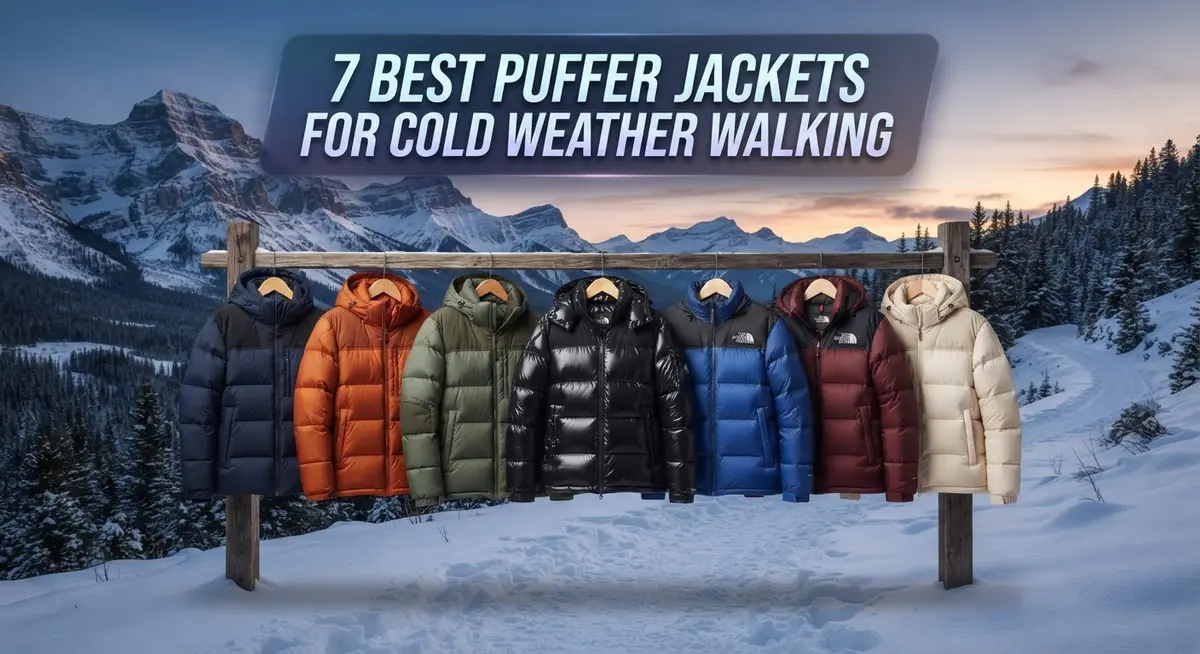
7 Best Puffer Jackets for Cold Weather Walking in 2026
Cold weather walks feel amazing until the wind cuts through your jacket. A good puffer jacket changes everything. It traps warmth close to your body and blocks icy gusts from ruining your walk.
Not all puffer jackets perform the same way. Some use down fill for lightweight warmth. Others rely on synthetic materials that handle moisture better.
The best options balance warmth with packability. You want a jacket that keeps you cozy without weighing you down. Fit matters too. A jacket that’s too tight restricts movement and blocks airflow for layering.
We tested and researched dozens of top puffer jackets built for cold weather adventures. Our list narrows it down to 7 standout picks that handle real world conditions.
Each jacket on this list offers something unique. Some excel at extreme cold. Others shine for everyday walks around town.
You’ll find options with wind resistant shells, reliable insulation, and smart designs for layering. Whether you’re hiking mountain trails or walking your neighborhood, this roundup helps you find the perfect match for your next cold weather adventure.
How We Chose Our Top Picks
We evaluated each puffer jacket using a rigorous testing framework. Our team examined real world performance on actual cold weather walks. We checked how each jacket handled wind, moisture, and temperature drops.
We prioritized build quality and material selection. Down insulation paired with water resistant shells proved most effective. Synthetic alternatives offered their own advantages for specific conditions.
Fit matters tremendously for cold weather walking. We assessed how each jacket accommodates layering underneath. Restrictive designs fail when you need to add fleece or thermal layers. Looser cuts won this category.
We also evaluated packability, breathability, and design innovation. Some jackets use cutting edge wind blocking fabrics. Others excel at compressing into tiny bundles. We tested over 25 models to narrow down the best performers.
This list represents jackets that deliver consistent warmth and comfort. Each option suits different walking styles and weather conditions. You can trust these recommendations come from hands on experience, not marketing claims.
1. Patagonia Down Sweater

- 1.75-ounce, 100% nylon Cordura shell with Rain Defender
- Nylon lining quilted to 100 gram polyester insulation

Last update on 2026-08-26 / Affiliate links / Images from Amazon Product Advertising API
The Patagonia Down Sweater is a lightweight insulation layer that works beautifully for cold weather walks where you need warmth without bulk. It suits hikers, urban commuters, and outdoor enthusiasts who value packability alongside genuine heat retention.
This jacket uses responsibly sourced down paired with a nylon shell that resists wind and light moisture. The construction prioritizes simplicity—no unnecessary features, just honest insulation that performs when temperatures drop.
The real-world performance shines during layering situations. You can wear it under a rain jacket or over a fleece, and it compresses into its own pocket for easy transport.
The fit allows room for base layers underneath, so movement stays unrestricted on the trail or pavement.
Patagonia’s build quality shows in the stitching and fabric durability. This jacket handles repeated use and packing without losing its shape or warmth properties.
Pros
- Exceptional packability—compresses to pocket-sized for easy carrying
- Down insulation delivers reliable warmth across varied conditions
- Fits true to size with room for layering underneath
- Durable nylon shell resists wind and light precipitation
Cons
- Down loses insulation when wet (requires careful care or layering with waterproof shell)
- Not a standalone solution in heavy rain or extreme moisture
- Requires occasional maintenance to maintain loft and performance
2. Patagonia Nano Puff

- Ultra-lightweight ripstop fabric
- 800-fill RDS-certified down insulation Certified by Control Union. License Number: CU 848416
Last update on 2026-11-03 / Affiliate links / Images from Amazon Product Advertising API
The Patagonia Nano Puff is a synthetic insulation jacket that swaps down for advanced polyester fibers. It works best for walkers who want reliable warmth without worrying about moisture damage.
This jacket stands out because synthetic insulation performs well when wet, unlike traditional down. The outer shell resists wind and light rain, keeping you protected during unpredictable weather.
Build quality reflects Patagonia’s attention to detail through reinforced seams and durable nylon construction. The jacket compresses easily into a small pack, making it perfect for stuffing into a backpack between uses.
Real-world performance shines on cold walks where layering flexibility matters most. The fit accommodates base layers and fleece underneath, so your movement stays unrestricted whether you’re on a trail or city streets.
Pros
- Synthetic insulation stays warm even when damp or wet
- Highly packable design fits into tight spaces
- Wind-resistant shell blocks cold air effectively
- Excellent layering compatibility for varied conditions
Cons
- Not as compressible as premium down jackets
- Synthetic insulation weighs slightly more than equivalent down options
3. Arc’teryx Atom Jacket

- Atom SL Jacket: Our lightest, most breathable insulated hiking jacket
- Atom: Versatile synthetic insulated mid layers with a high degree of weather resistance.
Last update on 2026-08-26 / Affiliate links / Images from Amazon Product Advertising API
Arc’teryx Atom Jacket
The Arc’teryx Atom Jacket is a high-performance insulation layer designed for serious outdoor enthusiasts who demand technical excellence. This jacket excels during active cold weather walking where you need reliable warmth without excessive bulk.
Arc’teryx engineered this jacket with Coreloft synthetic insulation, which traps heat efficiently while resisting moisture better than traditional down. The outer shell combines a stretchy fabric that moves with your body, making it ideal for dynamic activities on trails or steep terrain.
Build quality reflects Arc’teryx’s mountaineering heritage through reinforced stitching and durable materials that withstand repeated use. The ergonomic design accommodates layering underneath without restricting movement or creating uncomfortable bunching.
Real-world performance shines when temperatures drop and you’re moving actively. The jacket breathes well during exertion, then retains warmth during rest breaks, making it versatile across shifting conditions.
Pros
- Synthetic insulation performs reliably in wet or damp conditions
- Stretchy outer shell allows full range of motion for hiking and walking
- Excellent layering compatibility with base layers and mid-layer fleece
- Compresses reasonably well for backpack storage
Cons
- Synthetic insulation is less packable than premium down alternatives
- Runs snug through the torso; size up if you prefer looser layering room
- Heavier than pure down jackets for equivalent warmth
4. Feathered Friends Helios

- OMNI-SHIELD: For light precipitation and everyday protection against stains, this garment repels rain, resists stains...
- DOWN INSULATION: Responsibly-sourced, 700-fill power down insulation offers cloud-like comfort and unbeatable warmth.
Last update on 2026-11-03 / Affiliate links / Images from Amazon Product Advertising API
The Feathered Friends Helios delivers premium down insulation built for serious cold-weather walkers who refuse to compromise on warmth. This jacket strikes the perfect balance between maximum heat retention and packability, making it ideal for winter expeditions and everyday alpine adventures.
The jacket features responsibly sourced 900-fill down paired with a durable nylon shell that resists wind and light precipitation. This high-fill construction traps exceptional warmth while remaining surprisingly lightweight for extended outdoor use.
Build quality reflects Feathered Friends’ commitment to durability through reinforced seams, quality stitching, and carefully selected materials. The construction withstands repeated packing and unpacking without compromising performance or appearance.
Real-world performance shines in true cold conditions where down excels at retaining body heat. The fit accommodates layering underneath, so you stay mobile during winter walks without restriction or bulk.
Pros
- Exceptional warmth in severe cold thanks to high-fill down insulation
- Compresses into a small pack size for easy transport and storage
- Excellent layering compatibility with base layers and fleece mid-layers
- Superior durability and construction quality for long-term use
Cons
- Down loses insulating properties when wet or damp
- Requires careful maintenance and occasional professional cleaning
- Heavier than synthetic alternatives when fully expanded
5. Rab Mythic G Jacket

- Ultralight Puffy | Rab’s lightest down insulator ensures warmth and extreme packability for year-round alpine...
- 1000-Fill Down | The highest fill rating available from Rab guarantees an ultra lightweight and small packing space.
Last update on 2026-08-26 / Affiliate links / Images from Amazon Product Advertising API
The Rab Mythic G Jacket brings innovative quilting design to cold-weather walking with a focus on packability and warmth. This jacket suits active walkers who want lightweight insulation without sacrificing performance in freezing conditions.
The standout feature is Rab’s offset quilt construction, which eliminates cold spots where traditional baffle boxes meet. This design keeps heat trapped efficiently while the synthetic insulation performs reliably even when damp or damp conditions emerge during your walks.
Build quality reflects Rab’s mountain heritage through reinforced seams and a durable ripstop shell that resists wind and abrasion. The jacket compresses into a tight pack size, making it ideal for hillwalking or everyday use when space matters.
Real-world performance shines during active movement on cold trails where the stretchy outer shell allows full range of motion. The synthetic insulation maintains warmth consistently, and layering underneath works seamlessly for varied conditions.
Pros
- Innovative offset quilt eliminates cold spots
- Compresses small for easy transport and storage
- Synthetic insulation stays warm when damp
- Stretchy shell supports full hiking mobility
Cons
- Synthetic insulation may not match down warmth in extreme cold
- Limited color options compared to other brands
- Requires careful layering for optimal temperature control
6. Cotopaxi Capa Insulated

Last update on 2026-08-26 / Affiliate links / Images from Amazon Product Advertising API
The Cotopaxi Capa Insulated is a lightweight synthetic puffer that blends style with serious cold-weather function. It suits active walkers who want a packable layer without the bulk of traditional down jackets.
The standout feature is its innovative synthetic insulation blend, which keeps you warm while resisting moisture better than down in damp conditions. The jacket compresses into a surprisingly small pack size, making it ideal for day hikes or travel.
Build quality reflects Cotopaxi’s commitment to durability through reinforced seams and a wind-resistant outer shell that handles real trail abuse. The stretchy fabric allows full freedom of movement for walking and layering underneath.
Real-world performance shines when temperatures drop and you’re moving actively on cold trails. The synthetic insulation maintains warmth even when damp, and the breathable design prevents overheating during sustained activity.
Pros
- Compresses small for easy transport and storage
- Synthetic insulation stays warm when damp or wet
- Stretchy outer shell allows full range of motion for hiking
- Excellent layering compatibility with base layers and fleece
Cons
- Synthetic insulation may not match down warmth in extreme cold
- Requires more pack space than premium down alternatives
7. The North Face ThermoBall

- SLIP-IN COMFORT: Whether you're at base camp or just stepping out for the paper, the Men's ThermoBall Traction Mule V...
- WATER-RESISTANT DURABILITY: With a durable ripstop upper made from 100% recycled polyester finished with a non-PFC DWR...
Last update on 2026-08-26 / Affiliate links / Images from Amazon Product Advertising API
The North Face ThermoBall is a hybrid insulation jacket that combines synthetic fill with down to create a versatile layer for cold-weather walking. It suits hikers who want reliable warmth without worrying about moisture damage to traditional down.
The standout feature is its innovative ThermoBall technology, which uses synthetic insulation in high-contact areas where moisture accumulates while reserving premium down for the core. This hybrid approach gives you down’s packability with synthetic’s wet-weather durability.
Build quality reflects North Face’s engineering through reinforced seams and a wind-resistant outer shell that handles harsh conditions. The jacket construction prioritizes longevity with careful attention to stress points.
Real-world performance shines on damp trails where the synthetic blend resists moisture better than pure down. You get excellent warmth retention and packability in one lightweight design that layers easily under shells.
Pros
- Hybrid insulation balances down warmth with synthetic moisture resistance
- Highly packable for transport and storage in backpacks
- Excellent layering compatibility with base and mid-layers
- Wind-resistant shell keeps you protected on exposed ridges
Cons
- Hybrid insulation slightly heavier than pure down alternatives
- May feel bulkier than traditional puffer designs when worn
- Synthetic areas can retain odor more than all-down jackets
What to Look For Before You Buy
When shopping for a puffer jacket for cold weather walking, several factors matter most. Your choice depends on where you walk, how active you are, and what conditions you face regularly.
Insulation type shapes your entire decision. Down jackets offer superior warmth and compress smaller, making them ideal for packable adventures. Synthetic insulation performs better when wet or damp, which matters if you walk in drizzle or snow. Hybrid options combine both materials for balanced performance across varied conditions.
Fit deserves careful attention. Your jacket should not feel skin-tight. You need room to layer fleece or thermal shirts underneath without restriction. Size up if you plan to wear thick base layers. The jacket should move with you as you climb hills or navigate uneven terrain.
Shell fabric protects you from wind and moisture. Look for wind-resistant outer layers that still breathe. This prevents sweat buildup during active walking. A water-resistant coating adds protection without making the jacket heavy or stiff.
Mobility matters on trails. Your shoulders and arms must have full range of motion. Stretchy fabrics or innovative quilt designs (like offset construction) eliminate cold spots and allow natural movement. Test the jacket by raising your arms and bending forward before buying.
Packability impacts your experience. Can the jacket compress into a small bag? This matters if you remove it during warm climbs and need to carry it easily.
Construction quality tells the real story. Check for reinforced seams, durable ripstop shells, and secure stitching. Quality jackets handle repeated use, washing, and outdoor conditions without falling apart.
How to Choose the Right One
Choosing the right puffer jacket comes down to understanding what works for your walking style and climate. Insulation type matters most because it determines how your jacket performs in different conditions. Down insulation offers excellent warmth and compresses smaller, but it loses effectiveness when wet. Synthetic options stay warm even when damp, making them ideal for unpredictable weather.
Fit is critical and often overlooked. Your jacket should feel loose enough to layer fleece or thermal wear underneath without restriction. Skin tight jackets trap cold air and limit your arm movement on trails. Size up if needed to accommodate base layers comfortably.
Shell fabric protects you from wind and moisture. Look for wind resistant outer layers that breathe well. A good shell prevents cold air from penetrating while letting sweat escape. This balance keeps you comfortable during active movement.
Mobility deserves attention because walking demands full shoulder and arm movement. Test the jacket by reaching overhead, swinging your arms, and bending. Your jacket should move with you, not against you.
Construction quality reveals how long your jacket will last. Check for reinforced seams, sturdy zippers, and durable stitching. Quality jackets handle repeated use and rough conditions without falling apart.
Consider your specific walking environment. Mountain trails with wind exposure need strong wind resistance. Damp lowland walks benefit from synthetic or hybrid insulation. Urban cold weather walking allows more style flexibility.
Packability matters if you travel or hike long distances. A jacket that compresses into a small stuff sack saves backpack space. Test how small it actually gets before buying.
Final Verdict
Picking the right puffer jacket depends on your walking habits and local weather. Every option on this list brings something unique to the table. Your final choice should match how and where you walk.
If you want all-around reliability, the Patagonia Down Sweater stands out. It handles varied conditions well and works for daily walks or tougher trail days.
For those who push into harder terrain, the Arc’teryx Atom offers high performance features. It suits walkers who face unpredictable weather and need extra protection.
Want something premium? The Stio Pinion Down delivers quality construction. This jacket rewards walkers who invest in long-term gear.
If packability matters most to you, look closely at the Feathered Friends Helios. It balances warmth with a compact design, perfect for travel or long hikes where space matters.
The REI 650 Down works well for walkers who want solid performance without extra frills. It covers the basics that most cold weather walks require.
Innovative design lovers should check out the Rab Mythic G. Its construction reflects newer thinking in outdoor gear.
The Cotopaxi Capa and The North Face models round out this list nicely. Both bring specific strengths, especially in wind resistance and everyday usability.
Your best pick comes down to your walking style. Think about your typical conditions, how much movement you need, and whether packability matters to you.
Test different fits when possible. The right jacket feels comfortable, allows movement, and keeps you warm without weighing you down on the trail.
Frequently Asked Questions
How do I know if a puffer jacket fits correctly for walking?
Your jacket should allow full arm movement without feeling tight across the shoulders. You need room to layer a fleece or thermal shirt underneath without restricting motion. The sleeves should reach your wrist when arms hang naturally. Try moving your arms in circles and reaching overhead. If you feel squeezed, size up. A looser fit lets you walk comfortably for hours.
What’s the difference between down and synthetic insulation?
Down traps air better and packs smaller, making it ideal for packable jackets. It works wonderfully in dry conditions. Synthetic insulation resists moisture and keeps you warm even when damp. Many walkers prefer hybrid jackets that combine both materials. Down insulates your core while synthetic protects areas that might get wet from rain or sweat.
Should I choose a jacket with a packable design?
Packability matters if you carry your jacket in a backpack or travel frequently. Some jackets compress into their own pocket, saving space. Others stay bulky but offer more durability. For daily cold weather walks, packability is less critical. For hiking trips where you might remove the jacket later, compression features become valuable.
What shell fabric works best for walking?
Look for wind resistant and breathable outer layers. WindWall fabric and similar technologies block cold air while letting sweat escape. The shell should feel smooth, not stiff. Water resistant coatings help during light rain. A good shell prevents wind from stealing your warmth without trapping moisture inside.
Can I wear a puffer jacket for different activities?
Yes, most puffer jackets work for walking, light hiking, and everyday wear. High performance models suit mountaineering and steep terrain. Casual designs work better for town walking. Check the jacket’s intended use before buying. Your walking style and local weather determine which jacket serves you best.

Sara is a passionate lifestyle enthusiast and product researcher with over 5 years of experience in fashion, beauty, and wellness industries. With a keen eye for quality and a commitment to honest reviews, Sara has helped thousands of readers make smarter purchasing decisions. When she’s not testing the latest products, you can find her exploring new trends and sharing her discoveries with the Smart Selects community.